

Visionary Leadership in Challenging Times
When Values, Direction, and Execution Converge!
The world is changing faster than many organisations can adapt. Technological advances, geopolitical uncertainty, energy pressures, and climate challenges are reshaping the context in which leaders operate. This places new demands not only on the decisions leaders make, but on how leadership itself is exercised.
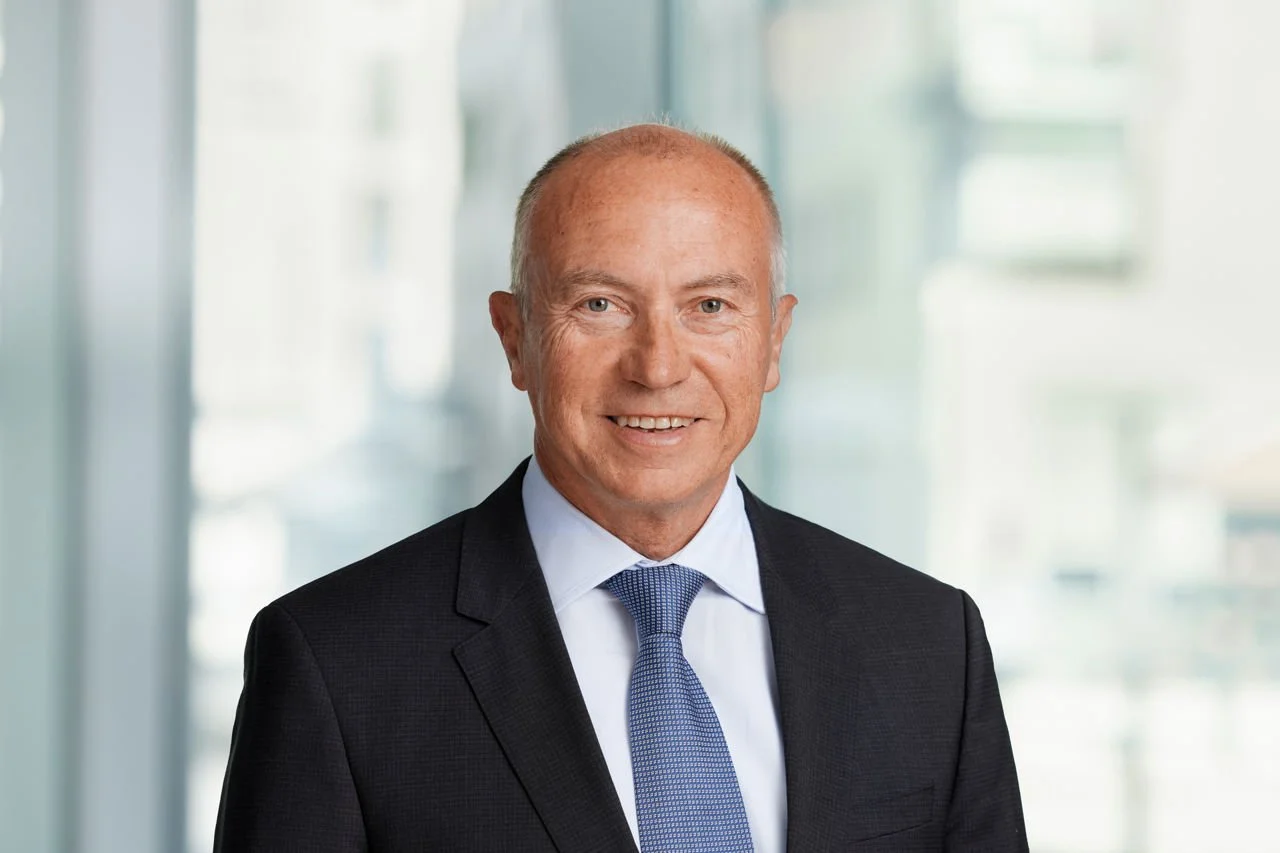
In a keynote followed by an in-depth conversation, Christian Rynning-Tønnesen shared reflections from some of the most demanding executive roles in Norwegian business. His message was clear: visionary leadership is less about rhetoric and more about the ability to combine clear values, long-term direction, and disciplined execution over time.
Strategy: Broad Enough to Capture Opportunity—Focused Enough to Align
Rynning-Tønnesen defines visionary leadership as the ability to shape a strategy that is broad enough to capture new ideas and opportunities, yet focused enough to create shared understanding and direction.
“When strategy becomes too narrow, profitable opportunities disappear. When it becomes too broad, ideas flood in—and the organisation loses focus.”
In complex decision-making situations, he relies on a simple but powerful technique. Before presenting his own conclusion, he briefly summarises the perspectives around the table.
“You believe this, you believe this, and you believe this. That way, everyone knows they’ve been heard—and everyone has heard each other. Only then do I present my assessment and conclusion.”
This approach—often referred to as rephrasing, and learned early in his career at McKinsey—strengthens alignment and improves decision quality.
A Practical Test of Strategic Balance
How can leaders assess whether their strategy strikes the right balance? According to Rynning-Tønnesen, the answer is straightforward: does a manageable number of high-quality opportunities emerge?
“If so, you’ve found the right balance. Strategy is a living discipline—it must evolve based on the opportunities that actually arise.”
He points to Statkraft’s commitment to renewable energy as an example of a clear yet flexible strategic direction. Within this framework, the company was able to make deliberate choices about technology, geography, and priorities.
“Strong strategies emerge at the intersection of where opportunities are greatest and where the organisation’s capabilities are strongest.”
Vision and Values as Driving Forces
For Rynning-Tønnesen, a vision must extend beyond financial targets.
“A vision must connect to something employees want to contribute to—energy, climate, security, or societal development. Something larger than themselves. Something that matters beyond the numbers.”
At the same time, he emphasises that values and profitability are closely linked over time.
“Business exists to generate financial results—but direction must be anchored in values.”
He also highlights the importance of early involvement. The strongest visions emerge when leaders and employees across levels are engaged early in the process—before boards and owners are brought into the strategic trade-offs.
“Visionary leadership is about creating the freedom to think differently—while remaining grounded in shared values and objectives.”
Broad Involvement—Then Decisive Action
In strategic processes, Rynning-Tønnesen begins broadly, involving a wide group of leaders. As the process progresses, the circle narrows to ensure momentum and clarity.
“Broad involvement builds quality and ownership. Toward the end, decision-making must be concentrated to preserve direction and pace.”
Decisions are made in close collaboration with the executive team, while accountability for the whole remains clear.
When Ideas Emerge from Within
An example from Statkraft’s operations in Germany illustrates how innovation often originates far from the top of the organisation. The company had developed advanced models for production management based on weather forecasts and market data. An apprentice recognised the potential to offer this capability externally.
The result was a new business model in which Statkraft demonstrated the value of improved production management and shared the gains with customers. Over time, the company managed production for around 1,000 external producers and became the market leader in Germany.
“The best ideas emerge throughout the organisation. The role of top management is to recognise them—and create space for their development.”
Innovation as Disciplined Work
Rynning-Tønnesen cautions against assuming that the person with an idea can develop it alone, alongside their existing responsibilities.
“Innovation requires both a strong idea and disciplined execution. It demands time, competence, and clear frameworks.”
Organisations that succeed establish structures to evaluate ideas, prioritise effectively, and assemble teams with the right mandate.
“Success should be shared widely. Failure is something you must take responsibility for yourself.”
Leadership Development—From Logic to Wholeness
Rynning-Tønnesen also reflects openly on his own leadership journey. Early in his career at Statkraft—first in international power trading, later leading the entire market division—he was young and strongly grounded in strategy, economics, and regulation.
“I felt I had full legitimacy to lead on analytical grounds. At the same time, I didn’t feel entitled to impose my values or attitudes on others.”
This approach worked for a time. Eventually, its limitations became clear.
“I realised you cannot lead an organisation using only the logical part of yourself. I cared deeply about what was happening. I felt joy, frustration, and disappointment. That cannot be hidden behind numbers and analysis.”
This realisation marked a turning point.
“I was appointed for who I am as a person. That meant I also had to lead with my values—with what I stand for as a human being.”
The transition required deliberate effort over time. For him, it meant embracing the responsibility of being a role model.
“A leader is always visible. You are expected to have views on human judgement—not just on strategy and economics.”
These experiences also shape what he looks for in leaders today.
“I look for strong professional capability and drive—combined with the judgement to adjust course. The ability to change direction is a defining quality of effective leadership.”
Leadership Under Pressure
His time as CEO of Norske Skog further shaped his perspective. In periods of high uncertainty, transparency proved essential.
“Challenges grow when information is withheld.”
He carried this approach into Statkraft, where trust was built through clear communication and a shared sense of direction—even under pressure.
Balancing opportunism and risk remains a core leadership responsibility. At times, waiting creates value; at others, decisive action is required.
“No leader has a complete overview in the moment. The quality lies in the team’s ability to assess opportunity and risk under uncertainty.”
Leadership as an Ongoing Discipline
Rynning-Tønnesen’s experience offers a clear perspective on leadership development: it is shaped through experience, reflection, and the willingness to engage with complexity. When values, openness, and decisiveness converge, leadership creates both direction and confidence.
Vision, then, is not a statement—it is an ongoing practice. One that unfolds through people, shaped in the interplay between responsibility, dialogue, and action.
By Marita M. Christensen, partner i Narum Partners